
Creating a relaxing home office environment is essential for maintaining focus, reducing stress, and improving overall work satisfaction. Whether you’re working full-time from home or occasionally tackling projects, your workspace can greatly influence your mood and productivity. This guide offers practical tips to help you design a calming and efficient home office that suits your needs.
Choose the Right Location
Find a Quiet Spot
Select a space in your home that minimizes distractions. Ideally, pick a room or corner away from noisy areas such as the kitchen or living room. If you don’t have a dedicated room, use room dividers or noise-cancelling headphones to create a sense of separation.
Consider Natural Light
Natural light can boost your mood and energy levels. Try to position your desk near a window to take advantage of daylight. If natural light is limited, use warm, adjustable lighting to reduce eye strain and create a cozy atmosphere.
Invest in Comfortable Furniture
Choose an Ergonomic Chair
A comfortable chair that supports your posture is crucial. Look for adjustable features including seat height, backrest angle, and lumbar support to prevent discomfort during long hours of work.
Opt for a Suitable Desk
Pick a desk that suits your work style and space constraints. Standing desks or adjustable desks offer flexibility to switch between sitting and standing, which can improve circulation and reduce fatigue.
Personalize Your Space with Calming Decor
Use Soothing Colors
Colors impact how you feel. Soft, muted tones like light blues, greens, or neutrals promote calmness. Avoid overly bright or distracting colors that might interfere with focus.
Add Plants and Nature Elements
Indoor plants not only improve air quality but also have mood-enhancing benefits. Choose low-maintenance plants such as succulents or snake plants to add a touch of nature.
Incorporate Art and Personal Touches
Decorate your space with art or photos that inspire you without causing clutter. Minimal, meaningful items help create an inviting and personalized workspace.
Organize for Clarity and Efficiency
Declutter Regularly
A tidy desk reduces distractions. Use organizers, trays, and drawers to keep supplies neatly stored. Clear your desktop of anything unnecessary at the end of each day.
Use Storage Solutions
Invest in shelves, filing cabinets, or wall organizers to keep documents and tools within reach but out of sight.
Digitize Papers
Where possible, go paperless to reduce physical clutter. Use digital tools for note-taking, scheduling, and file management.
Incorporate Relaxation and Well-Being Elements
Take Breaks Mindfully
Set reminders to take short breaks during your workday to stretch, breathe, or step outside. This practice helps maintain focus and reduces stress.
Add a Cozy Spot
If space allows, create a small reading nook or relaxation corner with a comfortable chair or cushion. Use this area for brief breaks or brainstorming sessions.
Use Essential Oils or Aromatherapy
Scents like lavender or eucalyptus can promote calmness. Consider using a diffuser with your favorite natural oils to create a soothing ambiance.
Optimize Technology and Noise Control
Manage Cables and Equipment
Keep cords and devices organized to avoid distractions and hazards. Cable clips or sleeves help maintain a neat area.
Invest in Quality Headphones or Speakers
If noise is unavoidable, noise-cancelling headphones can help block distractions. Alternatively, play soft background music or white noise to improve focus and mask disruptive sounds.
Maintain a Good Screen Setup
Position your monitor at eye level and use screen filters if needed to reduce glare and eye strain.
Establish a Routine and Boundaries
Set Work Hours
Define clear working hours to separate professional and personal time. This boundary helps create a consistent routine and encourages work-life balance.
Communicate Your Space Needs
If you share your home with others, explain your work schedule and need for a quiet environment. Using a sign or door indicator can help signal when you’re busy.
—
Creating a relaxing home office environment is about balance: combining comfort, organization, and personalization to foster productivity while reducing stress. By thoughtfully designing your workspace and habits, you can enjoy a healthier, more enjoyable work-from-home experience.
Related Posts
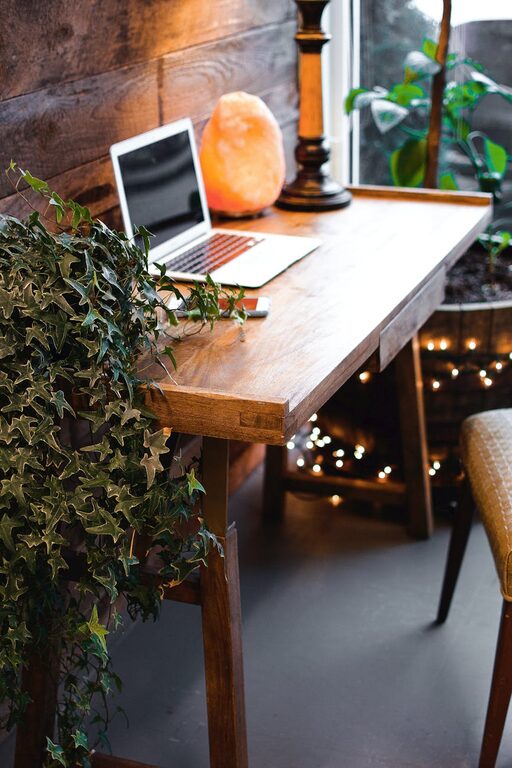
Tips for Creating a Cozy and Inviting Home Workspace
Creating a cozy and inviting home workspace is essential for…
Tips for Creating a Cozy and Inviting Living Space on a Budget
Creating a cozy and inviting living space doesn’t have to…
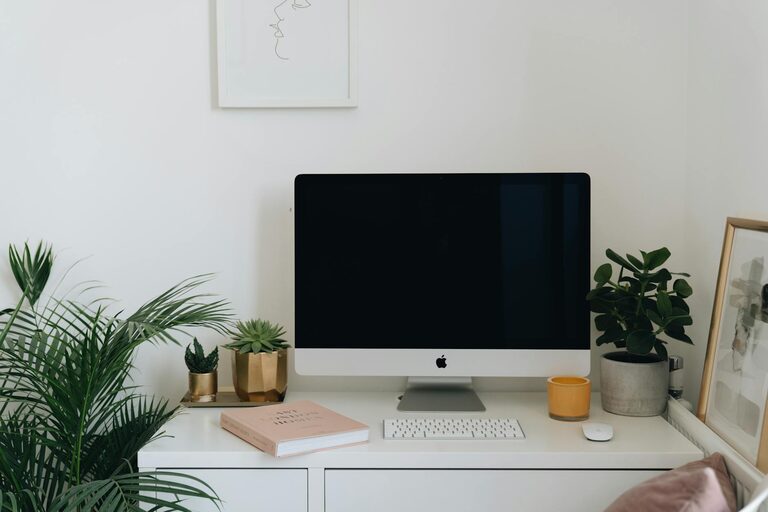
Tips for Organizing Your Home Office for Better Productivity and Comfort
Creating a well-organized home office can significantly improve both productivity…