
Creating a home office that is both cozy and productive can make a big difference in how you feel about your workday. Whether you’re working remotely, freelancing, or managing household tasks, the right setup helps you stay focused and comfortable. In this post, we’ll explore effective tips and ideas for designing a home office that supports your best work.
Choose the Right Location
Finding the perfect spot for your home office is the first step. Ideally, pick a quiet area away from heavy foot traffic and distractions. This could be a spare room, a quiet corner of the living room, or even a part of the bedroom. Consider these factors:
– Natural light: If possible, situate your desk near a window. Natural light improves mood and energy.
– Privacy: Ensure the space lets you focus without interruptions.
– Accessibility: Choose a location that’s easy to reach but separate enough to create a work mindset.
Invest in Comfortable, Functional Furniture
Your furniture sets the foundation for comfort and productivity. Consider these elements when selecting pieces:
– Ergonomic chair: Choose a chair with good lumbar support and adjustable height. Comfort helps reduce back pain and fatigue.
– Desk size: Pick a desk with enough surface area to hold your computer, notebooks, and other essentials.
– Storage options: Incorporate shelves, drawers, or filing cabinets to keep your workspace tidy.
Remember, the goal is to combine comfort with practicality so you can work for hours without strain.
Optimize Lighting for Focus
Lighting affects your energy and ability to work efficiently. Here’s how to improve it:
– Combine natural and artificial light: Use daylight during the day and soft, warm lighting when it gets darker.
– Desk lamp: A task light with adjustable brightness is handy for detailed work.
– Avoid glare and harsh shadows: Position lights and screens to minimize eye strain.
Good lighting helps prevent headaches and keeps you alert longer.
Personalize Your Workspace
Adding personal touches to your office can make the space inviting and inspiring. Consider:
– Plants: Greenery can improve air quality and create a calming atmosphere.
– Artwork or photos: Surround yourself with images that motivate and make you happy.
– Decor: Choose colors and accessories that feel warm and welcoming but not distracting.
Personalizing your workspace helps make it a place you truly enjoy spending time in.
Keep It Organized
Clutter can spoil the calm and reduce your focus. Use these organization strategies:
– Declutter regularly: Remove items you don’t need to avoid distractions.
– Use organizers: Desk trays, cable management solutions, and drawer dividers keep things neat.
– Create zones: Designate areas for computer work, writing, and storage.
A clean, orderly space helps your mind stay clear and productive.
Incorporate Technology Wisely
Technology is essential for many home offices but can become a source of frustration without planning:
– Reliable internet connection: A strong, stable connection is key for video calls and online tasks.
– Proper equipment: Invest in quality keyboards, monitors, and headsets that support your workflow.
– Cable management: Use clips or covers to keep cords neat and avoid tangling.
Balancing technology with simplicity makes your workday smoother.
Establish a Routine to Maximize Productivity
Beyond the physical setup, habits can enhance your home office experience:
– Set working hours: Define clear start and end times to maintain work-life balance.
– Take breaks: Short rests improve focus and prevent burnout.
– Create rituals: Small actions like making coffee or tidying your desk help signal the start of work.
A consistent routine supports both comfort and efficiency.
Mind Your Comfort and Wellness
Your home office should support your health as well:
– Maintain good posture: Arrange your chair, desk, and monitor to keep your body aligned.
– Adjust temperature: Keep the room at a comfortable level using fans or heaters as needed.
– Stay hydrated: Keep a water bottle nearby to encourage regular drinking.
Taking care of your physical well-being boosts productivity and enjoyment at work.
Final Thoughts
Designing a cozy and productive home office involves combining comfort, organization, and a bit of personal style. By paying attention to these key details, you create an environment where you look forward to working and can perform your best. Remember that your workspace can evolve—don’t hesitate to adjust it as your needs change over time.
With these practical tips, your home office can become a space that nurtures your creativity, focus, and well-being every day.
Related Posts
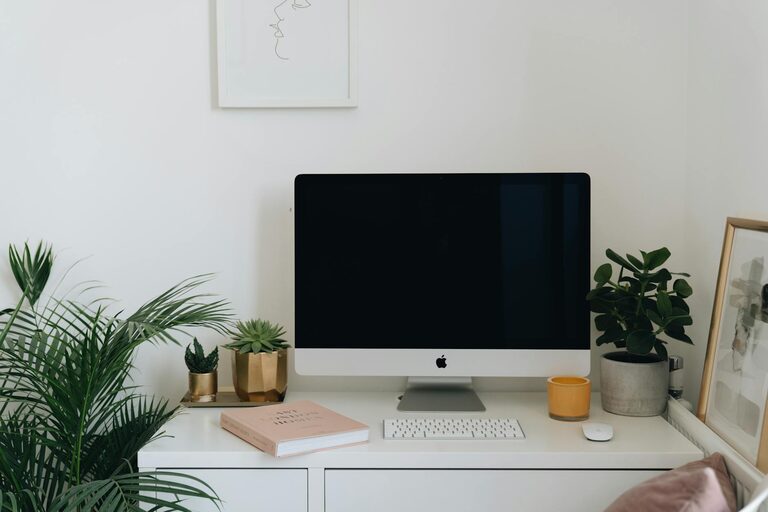
Tips for Organizing Your Home Office for Better Productivity and Comfort
Creating a well-organized home office can significantly improve both productivity…
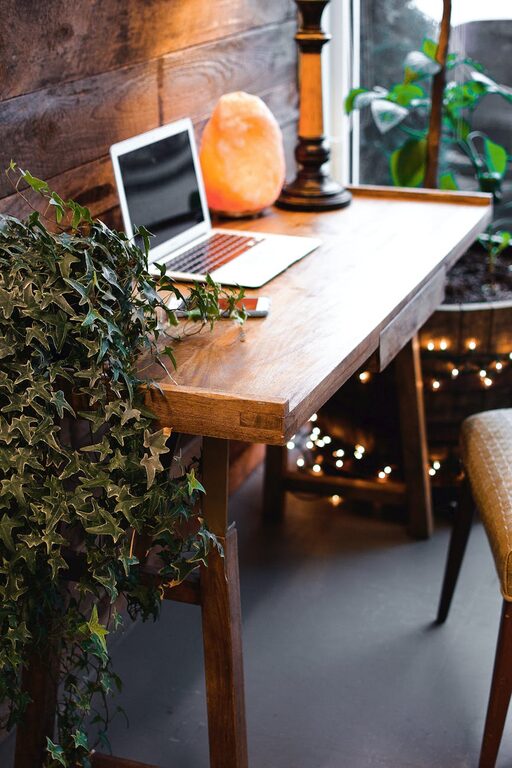
Tips for Creating a Relaxing Home Office Environment
Creating a relaxing home office environment is essential for maintaining…
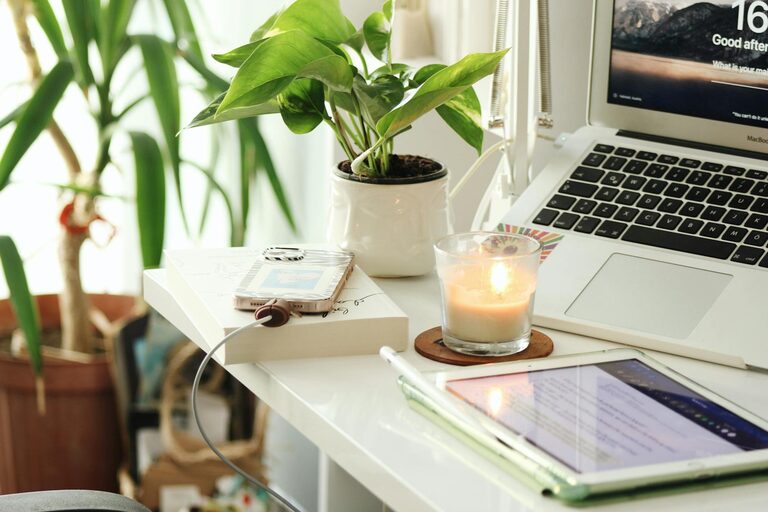
Tips for Creating a Relaxing Home Office Environment
Creating a relaxing home office environment is essential for maintaining…