
Working from home has become increasingly common, and having a productive home office environment can make all the difference in your workday. Creating a space that supports focus, comfort, and organization helps improve efficiency and reduce stress. Whether you’re new to working remotely or looking to optimize your current setup, these tips will guide you in designing a home office that truly works for you.
Choose the Right Location
Selecting the ideal spot for your home office is the first step to productivity. Consider the following:
– Quiet and Private: Find a place away from distractions like TV noise or household traffic.
– Natural Light: Position your desk near a window to benefit from natural light, which can boost mood and energy.
– Space: Ensure there’s enough room for your desk, chair, and any equipment you need without feeling cramped.
If space is limited, a small corner in a bedroom or living room can work with the right organization tools.
Invest in Comfortable and Ergonomic Furniture
Your comfort impacts your ability to focus for long periods. Keep this in mind when choosing furniture:
– Ergonomic Chair: Invest in a chair that supports your lower back and promotes good posture.
– Adjustable Desk: A desk at the right height reduces strain on your wrists and shoulders. Standing desks or adjustable-height desks offer flexibility.
– Monitor Position: Your screen should be at eye level, about 20 inches from your face, to prevent neck strain.
Adding a footrest and wrist supports can further improve comfort.
Organize Your Workspace Effectively
An organized workspace minimizes distractions and saves time:
– Declutter: Keep only the essentials on your desk. Remove unnecessary items to maintain a tidy area.
– Storage Solutions: Use shelves, file organizers, or drawers to store papers and supplies neatly.
– Cable Management: Use clips or cable organizers to keep cords untangled and out of sight.
Having a designated spot for everything helps keep the space neat even during busy days.
Optimize Lighting
Good lighting is key to reducing eye strain and maintaining alertness:
– Natural Light: Maximize daylight when possible.
– Task Lighting: Use a desk lamp with adjustable brightness to focus light where you need it.
– Ambient Lighting: Avoid harsh overhead lights; soft, diffused lighting creates a comfortable atmosphere.
Consider bulbs that emit a color temperature between 4000K and 5000K for a balance of warmth and focus.
Minimize Distractions
Maintaining concentration at home can be challenging. Here are ways to reduce disruptions:
– Set Boundaries: Inform family members or roommates about your work hours and space.
– Sound Control: Use noise-canceling headphones or play background music or white noise to block out distracting sounds.
– Phone Management: Silence non-essential notifications during work time.
Creating a routine also trains your brain to separate work from leisure.
Personalize Your Workspace
Adding personal touches can make your office inviting without cluttering:
– Plants: Indoor plants improve air quality and add a calming presence.
– Artwork: Hang inspiring or calming images.
– Colors: Use colors that promote productivity like blues and greens.
These small details can make your space feel welcoming and motivating.
Use Technology Wisely
Technology tools can streamline your workday:
– Reliable Internet: Ensure you have a strong internet connection for calls and research.
– Accessories: Invest in a quality keyboard, mouse, and webcam for comfort and professionalism.
– Apps: Use productivity apps for task management, communication, and time tracking.
Keep your software and devices updated to avoid interruptions.
Establish a Routine
Creating a schedule helps maintain work-life balance:
– Set Work Hours: Define when your workday starts and ends.
– Breaks: Take regular breaks to stretch and refresh your mind.
– Start and End Rituals: Simple habits like a morning coffee or a post-work walk signal transitions.
Consistency supports focus and reduces burnout.
Keep Healthy Habits in Mind
Your physical and mental well-being impacts productivity:
– Hydration and Snacks: Keep water and healthy snacks at hand.
– Stretching: Incorporate light stretching or short walks into your day.
– Ventilation: Ensure your workspace is well-ventilated and at a comfortable temperature.
Healthier habits support sustained energy and concentration.
—
Creating a productive home office involves thoughtful planning and ongoing adjustments. By focusing on comfort, organization, lighting, and routines, you can build a space that supports your best work and balances your home life. Try out these tips and tailor them to your unique needs to enjoy a more effective and pleasant remote work experience.
Related Posts
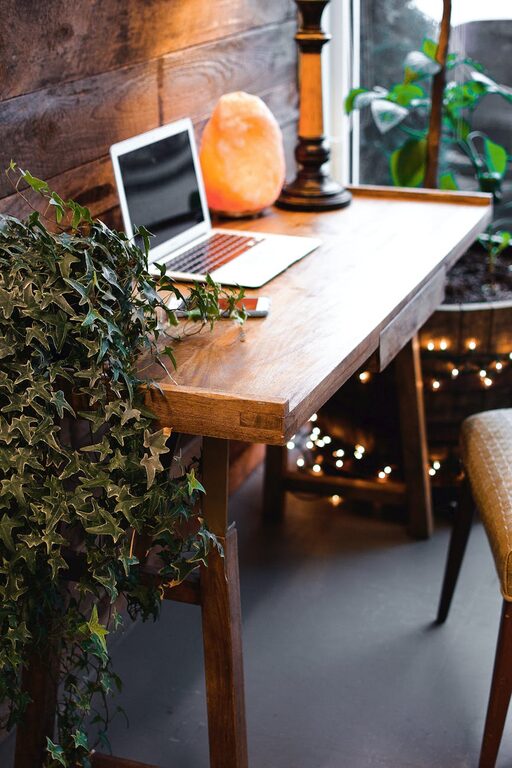
Tips for Creating a Cozy and Inviting Home Office Space
Creating a cozy and inviting home office space has become…
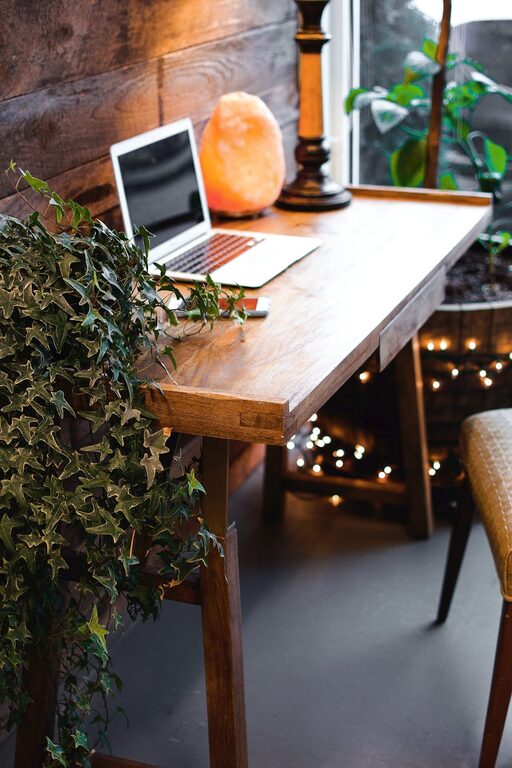
Tips for Creating a Cozy and Functional Home Office Space
Creating a home office that feels both cozy and functional…
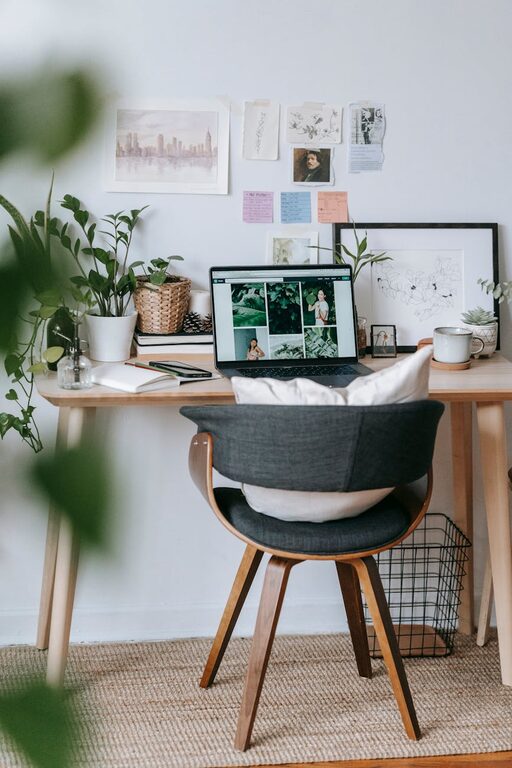
Tips for Creating a Cozy and Productive Home Workspace
Creating a home workspace that is both cozy and productive…